Cement Production Accounts For Approximately 8% Of Global Co₂ Emissions, A Striking Figure That Highlights The Urgent Need For Improvement. As The World Moves Toward More Sustainable Solutions, Significant Potential Lies In Improving Within The Construction Sector
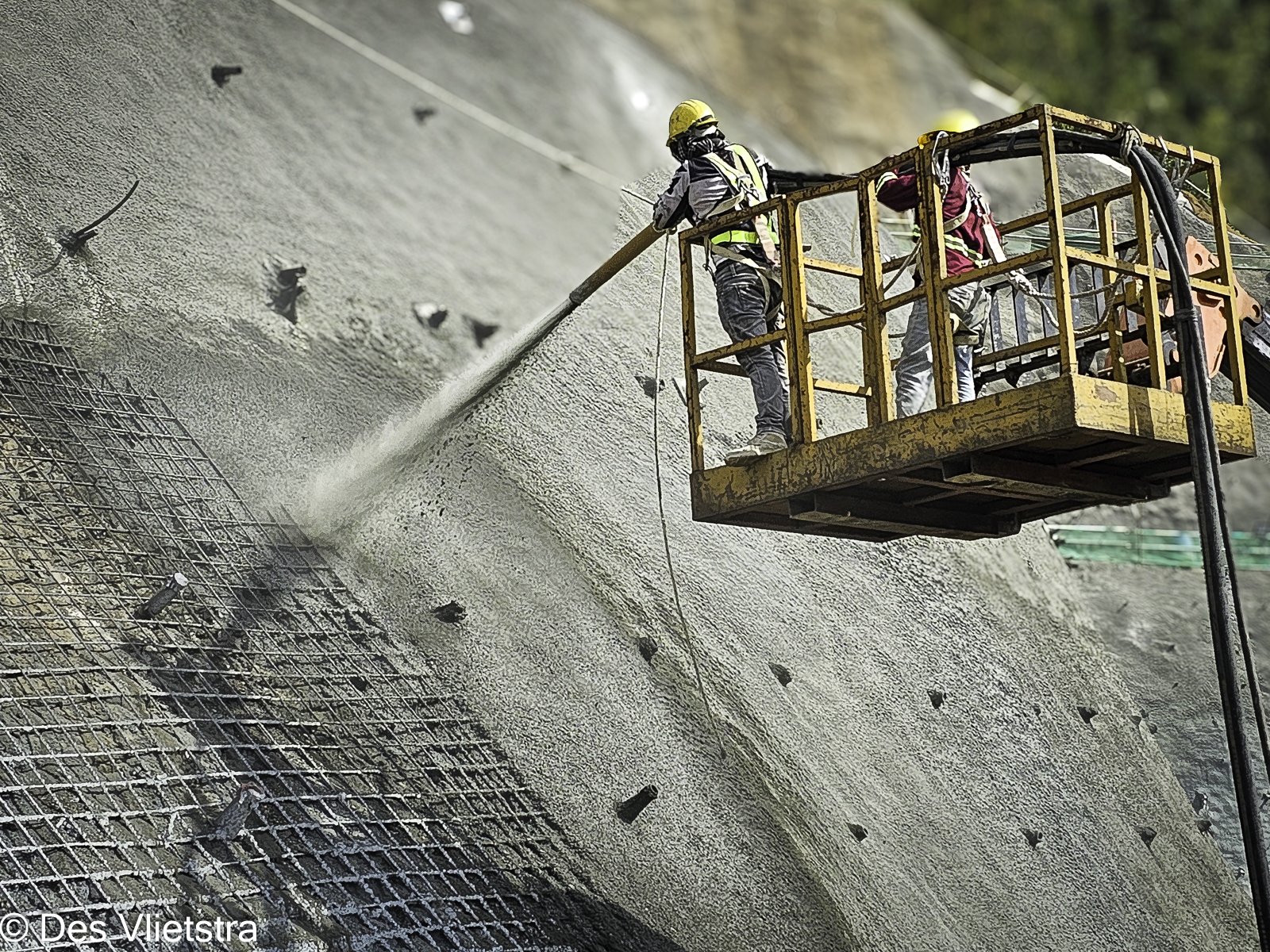
SHOTCRETE
According to Custom Market Insights (CMI), the global shotcrete market is experiencing rapid growth. Valued at USD 8.93 billion in 2024, it is expected to more than double by 2034, reaching USD 20.73 billion. With a compound annual growth rate (CAGR) of 8.79%, this expansion represents both opportunity and responsibility, particularly regarding environmental impact.
In shotcrete applications, sustainability depends on three key factors: the equipment, the quality of the mix and the skill of the operator. A perfect mix can still result in waste if the operator lacks training or poor equipment. Conversely, even the most skilled operator with advanced equipment can’t overcome the limitations of a poor mix design. Common issues ultimately contribute to unavoidable emissions.
Simplification of the issue:

TRAINING
Training is essential for ensuring quality, safety, and sustainability in shotcrete applications. Skilled operators can significantly reduce material waste and minimize environmental impact. To support this, advanced tools such as shotcrete simulators are available, offering realistic, hands-on training that helps operators refine their skills without the risks and costs associated with on-site practice.In 2024, Edvirt AB trained more than 100 operators across five continents using the Edvirt VR Shotcrete Simulator™. The impact was remarkable: operators became more safety-aware, application quality improved, and rebound rates decreased from 15.64% to 9.62%, a 38.47% improvement that directly translates into both environmental and economic benefits.
“All aspects of shotcrete execution are influenced by the operator’s skill — from safety and quality to economics and environmental impact; that’s why training is key”
One of the simulator’s greatest strengths is its ability to provide real-time, personalized feedback. This feature closes the gap by enabling operators to identify areas for improvement and enhance their technique. If all operators trained in 2024 applied 10 m³ of shotcrete daily for a year, more than 27,000 m³ of material would be saved from waste. This equates to nearly 10,000 tons of CO₂ emissions avoided.
“Even experienced operators may think they are performing well, but in reality, there is always room for improvement.”
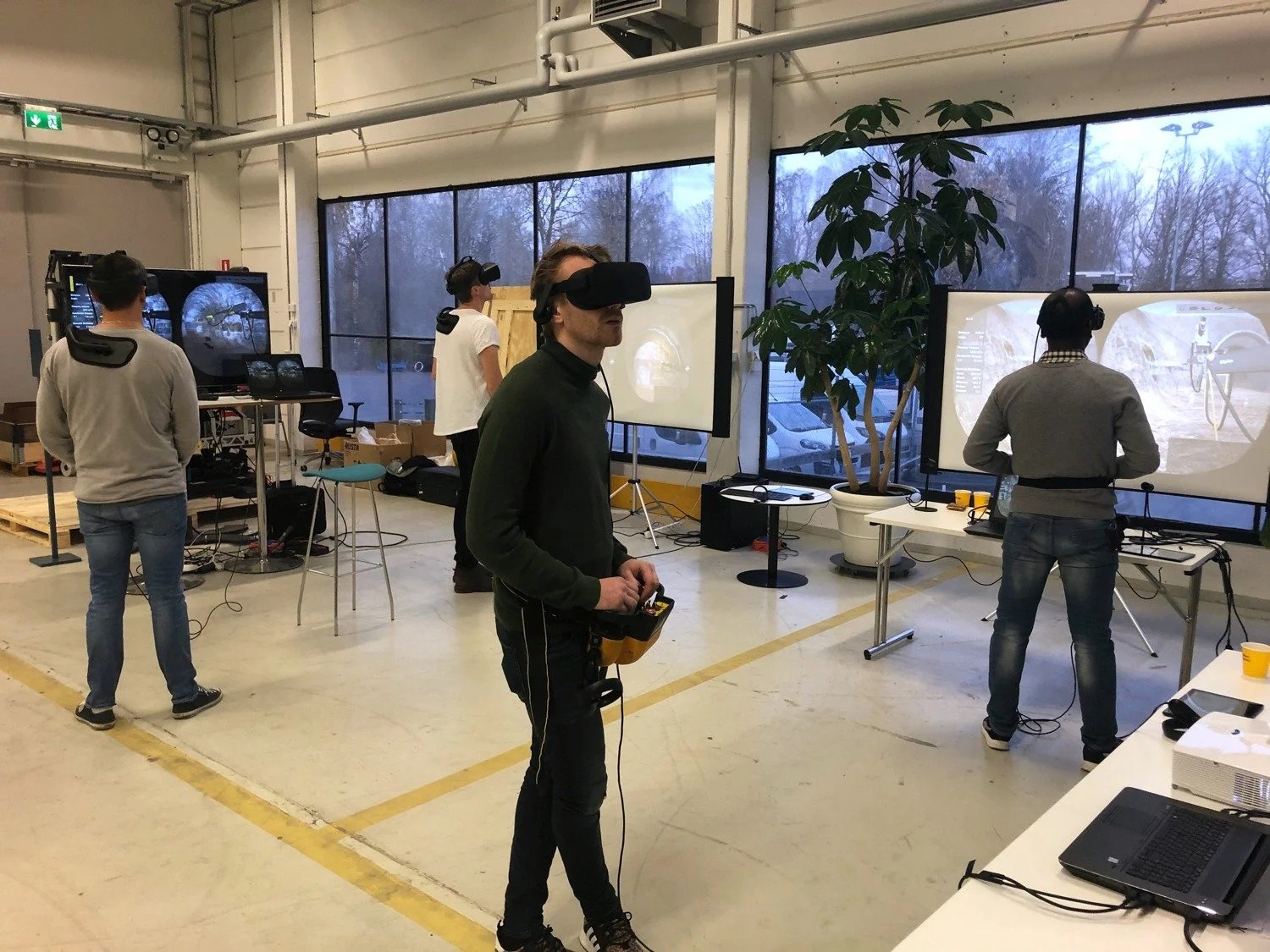
By improving operator skills, it boosts quality, lowers costs, and promotes sustainability. As the construction industry continues to advance, innovations like this offer a vision of a future where technology and environmental responsibility go hand in hand.